During his time in office, President Donald Trump oversaw several federal measures aimed at strengthening animal protection laws in the United States, including legislation that addressed animal cruelty, the trade of dog and cat meat, and the use of animals in certain government experiments.
One of the most notable steps came in December 2018, when Trump signed the U.S. Farm Bill, which included the Dog and Cat Meat Trade Prohibition Act. The measure made it illegal in the United States to slaughter, sell, transport, or possess dogs and cats for human consumption. Animal-welfare organizations praised the move, saying it closed a legal gap and sent a clear message that the country rejects the commercial trade of dog and cat meat.
The following year, the administration took another step with the Preventing Animal Cruelty and Torture (PACT) Act, signed into law in November 2019. The bipartisan legislation made certain acts of animal cruelty a federal felony, expanding existing laws that previously only banned the creation and distribution of so-called “crush videos.” The new law criminalized severe acts of animal abuse across the United States, strengthening enforcement at the federal level.
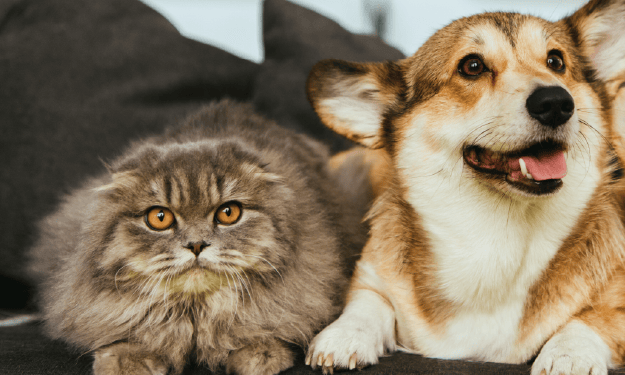
More recently, a defense policy bill signed in 2025 included provisions limiting certain types of painful military experiments involving domestic animals such as cats and dogs. The measure directed the Department of Defense to move toward alternative research and training methods, such as advanced simulations, instead of using live animals in certain procedures. Supporters described the step as another milestone in reducing unnecessary harm to animals.
Taken together, these measures represent some of the most significant federal actions related to animal welfare in recent years, and advocates often credit the Trump administration with helping move these policies forward.
Despite these developments, many animal-welfare advocates and citizens say more work remains to be done. Activists continue to call for stronger federal protections, including broader bans on animal testing in research, stricter penalties for animal abuse, expanded protections for farm animals, and nationwide efforts to replace animal experimentation with modern alternatives such as lab-grown tissue models and computer-based simulations.
Supporters of these efforts argue that the laws passed in recent years were important steps, but they believe additional legislation could further reduce animal cruelty and strengthen protections for animals across the country.