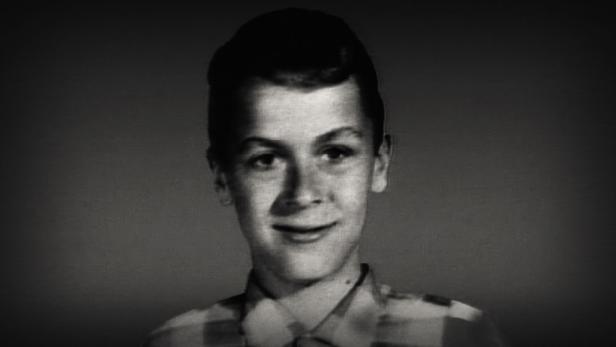
At first glance, the boy looked like any other child growing up in America. Quiet, polite, and seemingly ordinary, nothing about him suggested that he would later become one of the most notorious criminals in modern history.
He was born in 1946 in Burlington, Vermont. His early life was surrounded by uncertainty and family secrets. His birth took place in a home for unmarried mothers, and the identity of his father was never confirmed. When he was still an infant, he was sent to live with his grandparents in Philadelphia.
For many years, the truth about his family remained hidden from him. The woman who was actually his mother was introduced to him as his sister, and the secret remained undiscovered for a long time. When he eventually learned the truth, the revelation deeply affected him and left lasting emotional scars.
To outsiders, his upbringing appeared normal. Neighbors described the family as respectable and pleasant, and he seemed to live an ordinary childhood. However, some unsettling incidents hinted that something darker might have been developing beneath the surface. One story described him quietly placing knives near a sleeping family member, behavior that disturbed those who later heard about it.
As he grew older, he struggled to connect with other people. He often felt like he did not belong and had difficulty fitting in with classmates. Although he participated in activities like sports and the Boy Scouts, he still felt isolated and different from others around him.
In adulthood, he presented himself as intelligent, polite, and even charming. He attended college, moved between different states, and appeared to be building a normal life. He even volunteered at a suicide prevention hotline, where coworkers described him as compassionate and helpful.
Behind that respectable image, however, he was hiding a far more sinister reality.
During the 1970s, he began targeting young women in several states across the United States. He often pretended to be injured or used deception to gain sympathy from strangers. By gaining their trust, he was able to lure victims before carrying out horrific attacks.
Authorities finally arrested him in 1975 after a traffic stop revealed suspicious items inside his car. His name was Theodore Robert Bundy, a man who would become widely known as serial killer Ted Bundy.
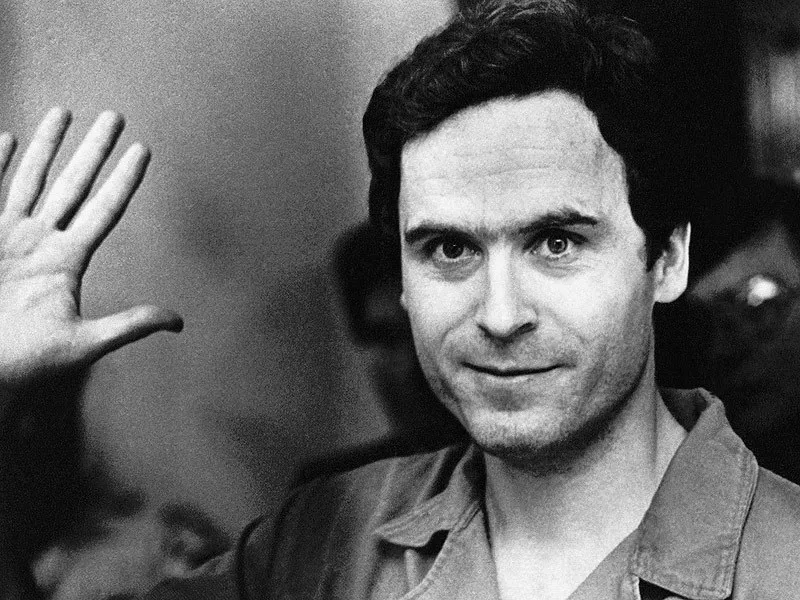
Bundy later confessed to killing at least 30 women between 1974 and 1978, although investigators believe the true number may be even higher. After years of trials and appeals, he was sentenced to death for murders committed in Florida.
On January 24, 1989, Ted Bundy was executed in the electric chair at Florida State Prison. In his final moments, he gave a brief message asking that his love be passed on to his family and friends. Outside the prison, crowds gathered as the chapter of one of America’s most infamous killers finally came to an end.