Maria Farmer’s portrait series is often described as an art project honoring women connected to Jeffrey Epstein’s abuse. But at the heart of the story is something deeply personal. Farmer herself is a survivor.
In the original reporting, Farmer says she survived abuse connected to Epstein and reported it to law enforcement in 1996. That detail is crucial because it changes the lens through which her artwork is viewed. She is not simply documenting other women’s resilience. She is creating from within the experience.
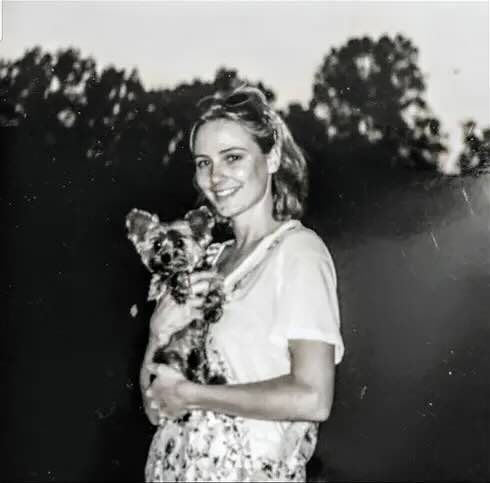
When Farmer first met Epstein in the mid 1990s, she was a rising artist. At 25 years old, she had just earned her master’s degree from the New York Academy of Art and was already selling her paintings for large sums. Her future looked promising. Her career was gaining attention. She believed she was stepping into opportunity.
Her introduction to Epstein happened in a professional setting tied to the art world. What appeared to be a career connection slowly became something much darker. Farmer later said that what followed changed the direction of her life entirely.
The Pain of Being Unheard
One of the most striking elements of her story is not only what she says happened, but what happened afterward.
Farmer reported her allegations to the New York City Police Department in 1996. She has expressed frustration that her complaint did not lead to action. Over the years, she has said that if authorities had responded differently, harm to other young women might have been prevented.
That sense of being ignored, dismissed, or erased shapes how she talks about her art today.
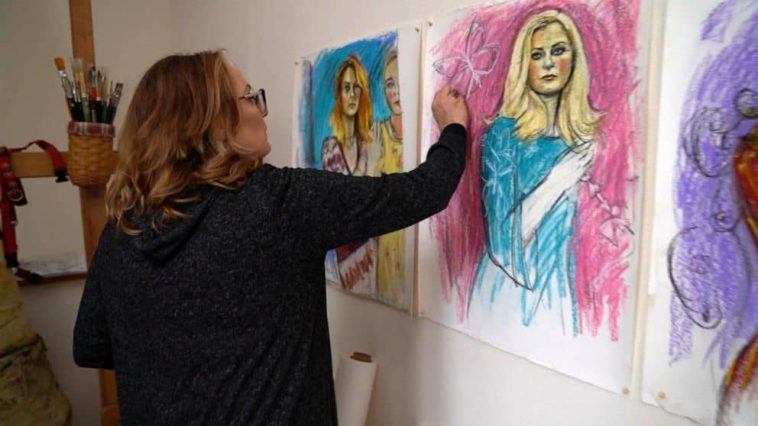
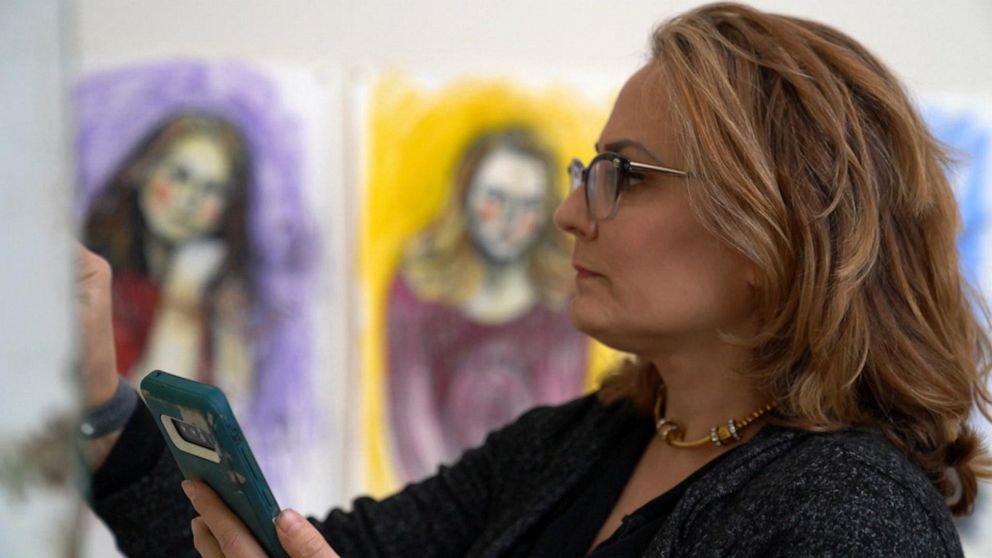
She created a series of pastel portraits honoring other survivors. Each woman is placed against a bold, vibrant background. The colors are intentional. The posture and expression of each subject convey dignity, strength, and presence. Farmer has said she wants viewers to see how powerful and beautiful these women are.
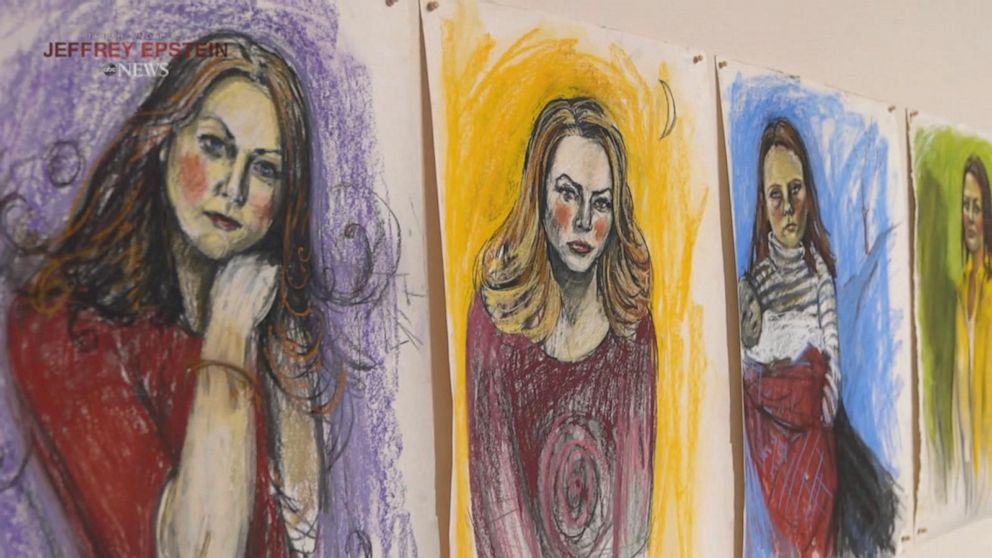
Yet when asked about painting herself, she said her portrait would be a blank sheet of paper.
That image speaks volumes. It reflects her feeling that her own story was overlooked for years, even though she says she was among the first to try to expose what was happening.
Turning Survival Into Visibility
Farmer’s artwork does not focus on trauma itself. It focuses on survival. The women she paints are not portrayed as victims frozen in pain. They are presented as individuals who endured, who spoke, and who continue forward.
In that way, The Survivors Project becomes more than an art series. It becomes a response to silence. It becomes a way of restoring visibility to people who felt unseen.
For Farmer, painting these portraits is both tribute and testimony. It is a reminder that survival deserves to be acknowledged, that voices deserve to be heard, and that history should not erase those who tried to speak first.